
Published 29 January 2026
Gentle 6 Products Supporting Seborrheic Dermatitis Relief
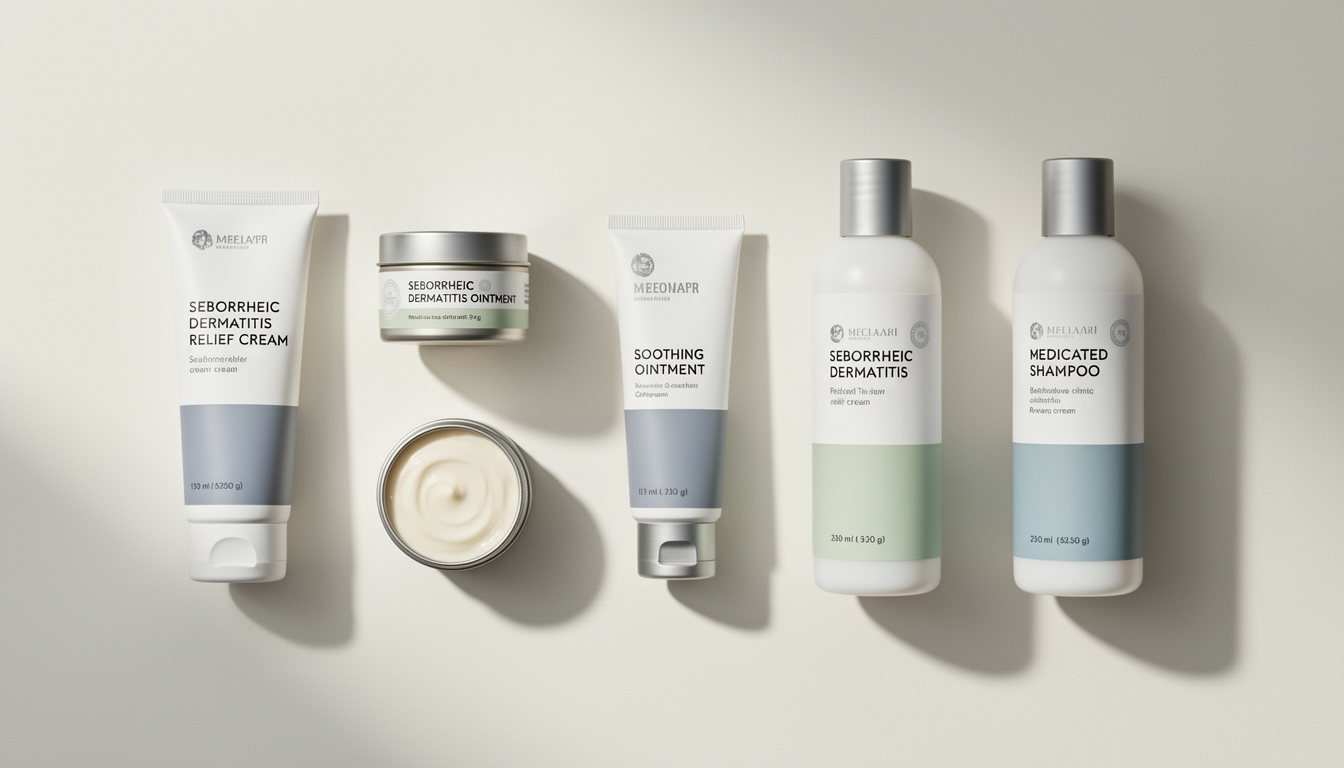
Seborrheic dermatitis often means dealing with persistent redness, flaking, and itching on the scalp, face, and other oily areas. Choosing products that ease those symptoms without worsening irritation matters. This list highlights six approachable products that can help manage flare-ups and support healthier skin.
1. EMUAIDMAX First Aid Ointment
For fast symptom relief on stubborn skin issues, EMUAIDMAX First Aid Ointment is formulated to address pain, inflammation, and both bacterial and fungal contributors that can worsen seborrheic dermatitis. The ointment is homeopathic and contains a stronger concentration of key ingredients than the regular Emuaid formula—ten times more tea tree oil and fifty times more Vitamin E—along with Argentum Metallicum (colloidal silver), Bacillus Ferment, Phytosphingosine, Ceramide 3, and Allantoin.
Many people notice improvement within hours, reporting reduced itching and faster healing of irritated areas. EMUAIDMAX is intended to support repair of damaged skin, strengthen the skin’s barrier, and improve overall skin condition. It’s marketed as suitable for all ages and formulated to be compatible with other treatments.
2. Neutrogena T/Gel Therapeutic Shampoo
When seborrheic dermatitis affects the scalp, Neutrogena T/Gel Therapeutic Shampoo is a common recommendation. Its active ingredient, Neutar™ Solubilised Coal Tar Extract, helps slow rapid skin-cell turnover and reduce inflammation, which in turn eases flaking and itching associated with dandruff and scalp psoriasis.
Many users report noticeable relief after a few washes, with the shampoo helping to calm sensitive scalps and reduce visible flakes. For best effect, allow the product to sit on the scalp for several minutes before rinsing so the active ingredient can work.
3. Selsun Blue Medicated Maximum Strength Dandruff Shampoo
Selsun Blue Medicated Maximum Strength Dandruff Shampoo is another strong option for scalp seborrheic dermatitis, featuring 1% selenium sulfide as its main active ingredient. Selenium sulfide targets the overgrowth of Malassezia yeast, a frequent factor in dandruff and seborrheic dermatitis.
The shampoo helps slow cell turnover, reduce flakes, and relieve itching. Users often describe a soothing, refreshing feeling during flare-ups, and following the product directions regularly can help keep scalp symptoms under control and reduce recurrence.
4. CeraVe SA Cream for Rough & Bumpy Skin
Treating scaly patches on the face and body calls for a gentle but effective product, and CeraVe SA Cream for Rough & Bumpy Skin can help. Although it’s labeled for rough, bumpy skin, its exfoliating and barrier-supporting ingredients make it useful for some seborrheic dermatitis symptoms.
The formula uses salicylic acid and lactic acid to gently slough away dead skin and smooth texture, while three essential ceramides, hyaluronic acid, and niacinamide hydrate, calm, and support the skin’s protective barrier. MVE technology releases moisturizers over time for sustained hydration. Some people with seborrheic dermatitis find CeraVe products helpful in restoring barrier function.
5. La Roche-Posay Toleriane Double Repair Face Moisturizer
A gentle, barrier-focused moisturizer can be important for facial seborrheic dermatitis. La Roche-Posay Toleriane Double Repair Face Moisturizer aims to restore the skin’s appearance and provide lasting hydration.
Key ingredients include Ceramide-3, Niacinamide (Vitamin B3), Glycerin, and La Roche-Posay Prebiotic Thermal Water. These work together to repair the protective barrier, deliver up to 48 hours of hydration, and help balance the skin’s microbiome. The oil-free, non-comedogenic formula suits sensitive skin and helps reduce dryness and irritation without promoting breakouts.
6. Bioderma Sensibio DS+ Cream
Bioderma Sensibio DS+ Cream is formulated to soothe sensitive skin prone to redness and flaky patches often seen with seborrheic dermatitis. Its anti-irritant approach focuses on reducing scales and calming irritation.
The cream contains Enoxolone, Climbazole, and Piroctone Olamine to limit factors that worsen redness and flaking. Its light gel-cream texture absorbs easily and is hypoallergenic, non-comedogenic, fragrance-free, and suitable for the whole family, including babies. Users commonly report gentleness and a reduction in visible flakes and redness.
Key Takeaways
- Seborrheic dermatitis often requires targeted ingredients to manage yeast overgrowth, inflammation, and skin barrier dysfunction.
- Medicated shampoos with ingredients like coal tar or selenium sulfide are effective for scalp symptoms.
- Gentle creams and ointments containing ceramides, niacinamide, and mild exfoliants can help soothe and repair facial and body skin.
- Look for products that are non-comedogenic, fragrance-free, and suitable for sensitive skin to minimize irritation.
- Consistency in your skincare routine and rotating products may be beneficial for long-term management.
FAQ
What causes seborrheic dermatitis?
Seborrheic dermatitis likely results from several factors working together: an overgrowth of Malassezia yeast (normally present on the skin), genetics, hormones, and environmental triggers. The condition reflects an inflammatory response to that yeast and tends to appear in areas with many sebaceous glands, such as the scalp, around the nose and eyebrows, the forehead, and the chest.
How often should I use medicated shampoos for seborrheic dermatitis?
During a flare-up, medicated shampoos are commonly used daily or 2–3 times per week for several weeks. After symptoms settle, switching to once a week or every other week often helps prevent relapse. Follow the product directions, which usually recommend leaving the shampoo on the scalp for 5–10 minutes before rinsing so the active ingredients can act. Rotating shampoos with different active ingredients may also help avoid tolerance to a single treatment.
Managing seborrheic dermatitis works best when you pick products that address your specific symptoms—whether scalp flakes, facial redness, or body patches. Using these gentle options consistently and adjusting as needed can reduce flare-ups and improve comfort. If you’re unsure which products suit you, a dermatologist can help create a targeted plan.